


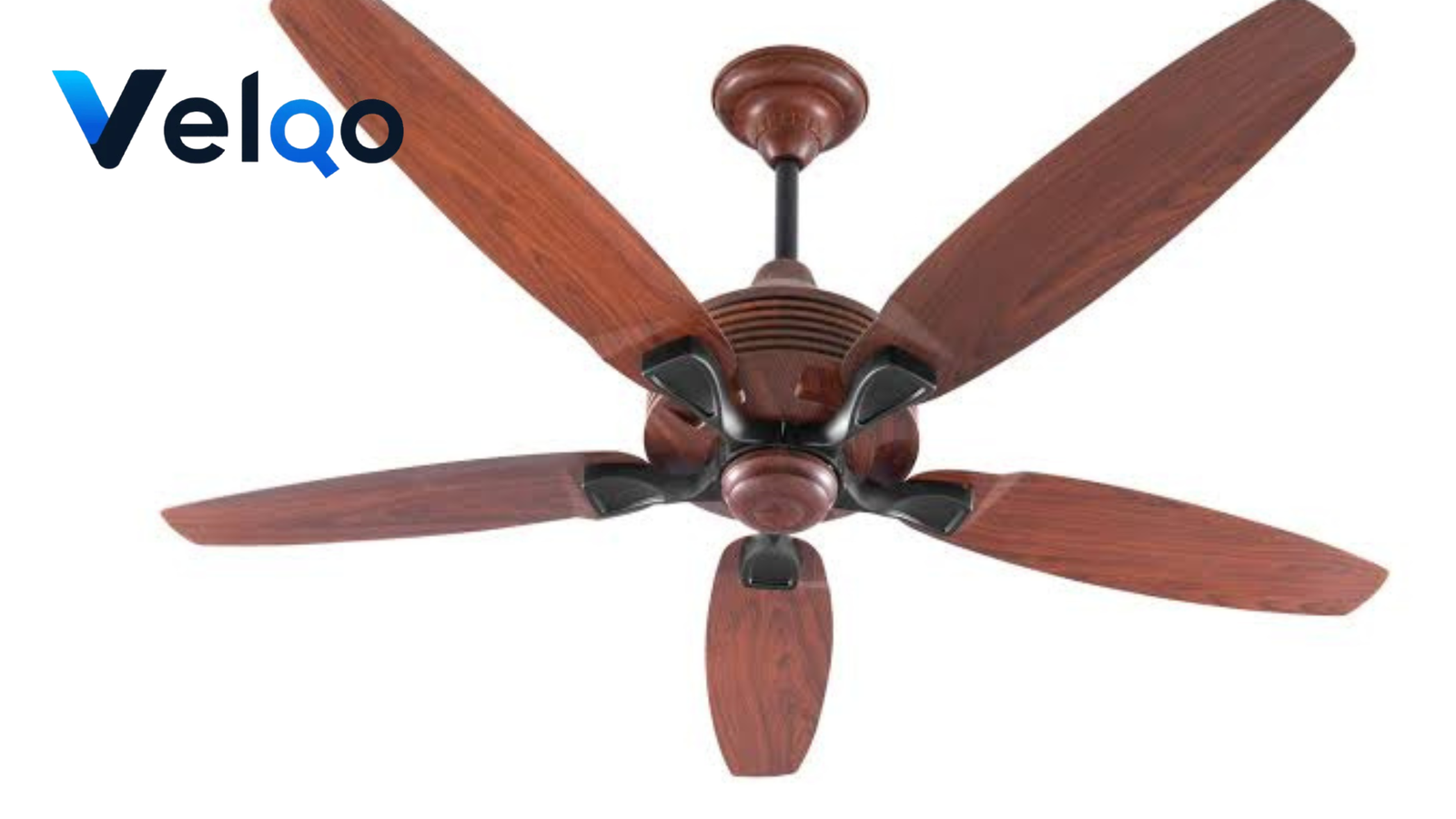
A fan is one of the most common and useful appliances for improving air circulation in homes, offices, shops, bedrooms, and other indoor spaces. It helps move air around a room, making the environment feel more comfortable, especially during warm weather. Fans are available in many different designs, sizes, and styles, so choosing the right one depends on the space, airflow requirements, and personal preferences.
From traditional ceiling models to portable table and pedestal designs, every fan has a different purpose. Understanding these options can help you choose a fan that provides reliable airflow without unnecessary features or expense.
1. What Is a Fan?
A fanatic is a device designed to move air from one place to another. Most household use an electric motor that rotates blades to create airflow. As the blades spin, they push air around the room, helping people feel cooler.
Unlike an air conditioner, a typical fan does not remove heat from the room. Instead, it creates air movement that can improve comfort. This simple principle has made fans useful in homes and workplaces for many years.
2. How Does a Fan Work?
The basic operation of a straightforward. Electricity powers a motor, and the motor rotates the blades. The shape and angle of the blades determine how air is moved.
Different fans are designed to direct air in different ways. A ceiling fan generally circulates air throughout a room, while a table fan can provide more focused airflow toward a particular person or area.
The performance of a fan can depend on motor quality, blade design, speed settings, size, and placement.
3. Common Types of Fans
There are several types of fans available for different rooms and situations.
Ceiling fn
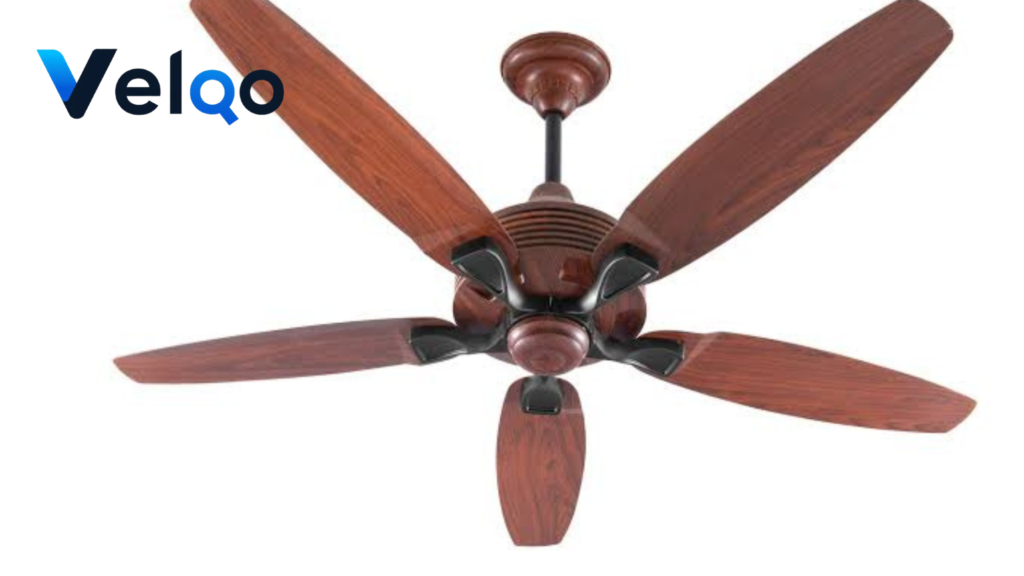
A ceiling fn is installed overhead and is commonly used in bedrooms, living rooms, dining rooms, offices, and other indoor spaces. Its position allows it to circulate air over a relatively wide area.
Modern ceiling fans may include remote controls, lighting, timers, multiple speeds, and energy-efficient motors.
Table Fn
A table fn is compact and portable. It can be placed on a desk, table, shelf, or another stable surface. Because it is easy to move, it can provide personal airflow wherever it is needed.
Table fns are especially useful for workstations, study areas, and small rooms.
Pedestal Fn
A pedestal fn stands on a base and usually has an adjustable height. It can provide strong airflow while allowing users to direct air toward different areas.
Its portability makes it useful when one fan needs to be moved between rooms.
Tower Fan
A tower fn has a tall and narrow design. It usually occupies less floor space than a traditional pedestal fn and can fit well into bedrooms, offices, and modern living spaces.
Many tower fans offer oscillation, timers, remote controls, and several speed settings.
Exhaust Fn
An exhaust fan is mainly designed for ventilation rather than personal cooling. It removes unwanted air from spaces such as kitchens and bathrooms.
By moving indoor air outside, an exhaust fan can help reduce humidity, odors, and stale air.
4. Benefits of Using a Fn
A fn can provide several practical benefits for everyday use.
Better Air Circulation
One of the main purposes of a fn is to keep air moving. Air circulation can reduce the feeling of stuffiness and make an indoor space more comfortable.
Lower Electricity Consumption
Fns generally use less electricity than air-conditioning systems. The U.S. Department of Energy explains that fans can help people feel comfortable by increasing air movement, although they do not actually cool the air in the same way as an air conditioner. U.S. Department of Energy – Fans and Ventilation
Portable Comfort
Portable fns can easily be moved from one location to another. This makes them convenient when only a particular area needs additional airflow.
Simple Operation
Most fns are easy to operate. Basic models may have only a few speed controls, while modern models can include remote controls, timers, digital displays, and smart features.
5. How to Choose the Right Fn
Choosing the right fan depends on several factors. Start by considering the size and purpose of the room.
For a bedroom, you may prefer a quiet ceiling, tower, or table fan. For a larger living area, a suitable ceiling or pedestal fan may provide better coverage.
You should also think about where the fan will be placed. If you need airflow directed toward a desk, a table fn may be practical. If you want air circulation throughout a room, a ceiling fan may be more appropriate.
Before buying, compare the manufacturer’s specifications, dimensions, airflow information, noise level, warranty, and available settings.
6. Important Features to Consider
Different fns offer different features. Some of the most useful ones include:
Multiple speed settings: These allow you to adjust airflow according to your comfort level.
Oscillation: This allows a fn to move from side to side, spreading airflow over a larger area.
Remote control: A remote makes it easier to change settings from a distance.
Timer: A timer can automatically switch the fan off after a selected period.
Quiet operation: Lower noise can be useful in bedrooms, study rooms, and offices.
Energy-efficient motor: An efficient motor can help reduce electricity consumption during regular use.
When comparing models, focus on features that you will actually use rather than simply choosing the model with the longest feature list.
7. Fan vs. Air Conditioner
A fn and an air conditioner work differently. An air conditioner is designed to remove heat from indoor air, while a fn mainly moves air around the room.
This means a fn may be enough for comfortable conditions when temperatures are moderate, while an air conditioner may be necessary when the indoor temperature becomes very high.
Fans can also be used alongside air conditioning. Moving air around a room can help distribute cooled air more effectively.
8. Fan Maintenance Tips
Regular maintenance can help keep a fan clean and functioning properly. Dust can accumulate on blades, grills, and other surfaces, potentially affecting airflow and making the appliance noisier.
Always switch off and unplug a portable fan before cleaning it. Follow the manufacturer’s instructions when removing dust or cleaning accessible parts.
For ceiling fans, check periodically for unusual wobbling, loose components, or unexpected sounds. If an electrical or internal mechanical problem develops, professional inspection is recommended.
Keeping a fan clean can also make it more pleasant to use and help maintain consistent airflow.
9. Modern Fan Technology
Today’s fans can include many features that were not common in older models. Some modern fans use efficient motors and offer remote operation, programmable timers, integrated lights, digital controls, or smart-home compatibility.
Smart fans may allow users to adjust settings through compatible devices. These features can be convenient, but they are not necessary for everyone.
When buying a modern fan, consider whether the additional technology genuinely improves your daily experience. A simple fan with reliable performance can still be an excellent choice.
10. Where Can You Use a Fan?
Fans can be used in many different environments. In homes, they are commonly found in bedrooms, living rooms, kitchens, and other areas where air circulation is needed.
Offices can use desk, tower, or ceiling fans to improve comfort around workspaces. Shops and small businesses may also use fans to keep indoor air moving.
The appropriate type depends on the room size, ceiling height, ventilation, and desired airflow.
11. Final Thoughts
A fan remains a practical and versatile appliance for everyday air circulation. Whether you choose a ceiling fan, table fan, pedestal fan, tower fan, or exhaust fan, the right option depends on your specific needs and environment.
Before purchasing, consider the size of the room, airflow requirements, noise level, motor quality, energy consumption, available features, and maintenance needs. Comparing these factors can help you find a fan that provides reliable performance without paying for features you do not need.
With the right choice and regular care, a good fan can provide comfortable air movement and remain a useful part of your home or workspace for years.
