


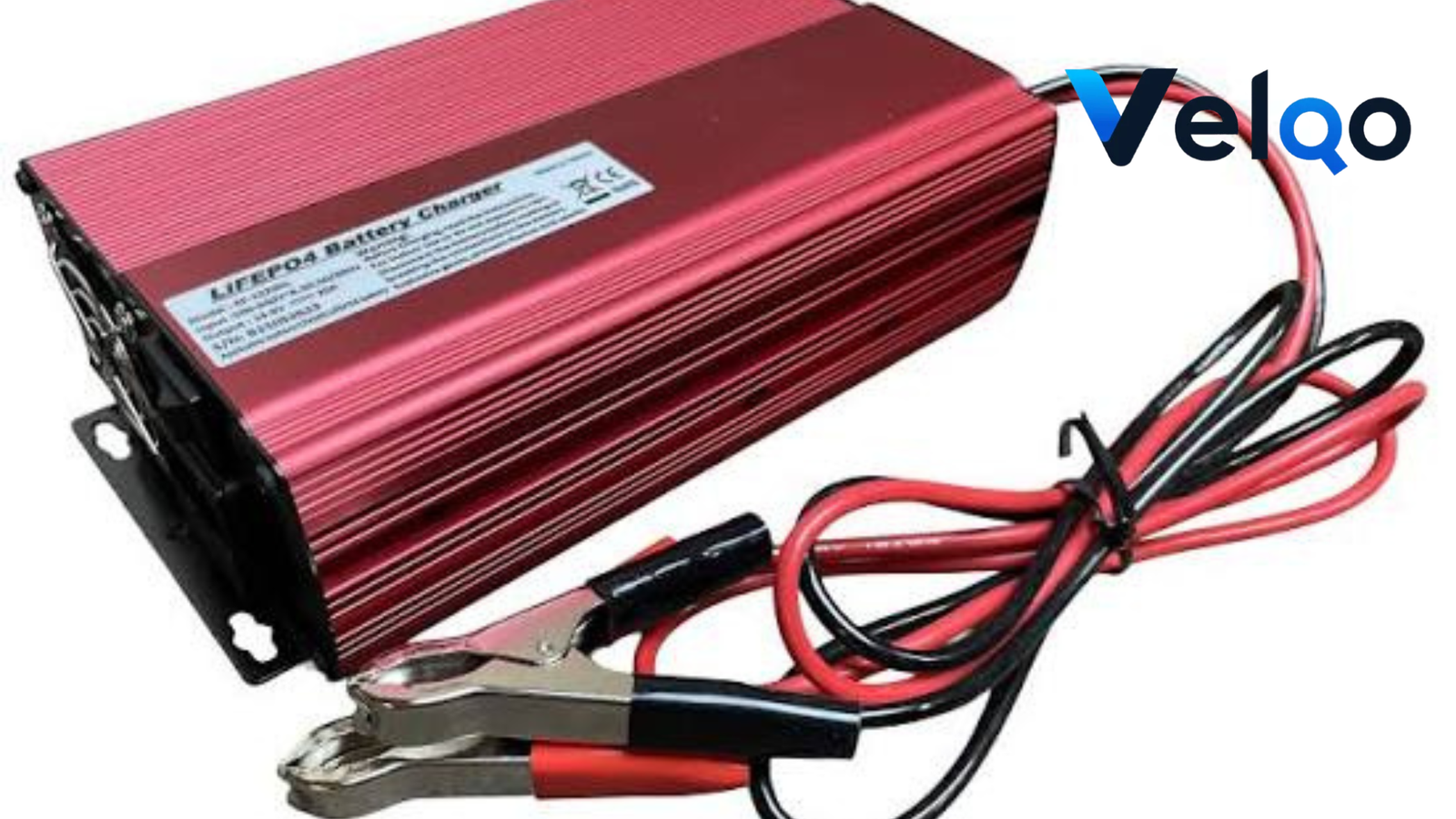
A reliable battery charger can make everyday life much easier. Whether you need to keep a car ready for the next trip, recharge household batteries, or power up equipment used outdoors, the right charging device can save time and help you get more value from rechargeable battery Charger.
With so many charging products available across the United States, choosing the right one can sometimes feel confusing. Chargers differ in voltage, charging speed, battery compatibility, size, and safety features. Understanding these differences before making a purchase can help you select a product that actually fits your needs.
This guide explains how battery charging works, the major charger types, important features, safety considerations, and practical tips for choosing the right option.
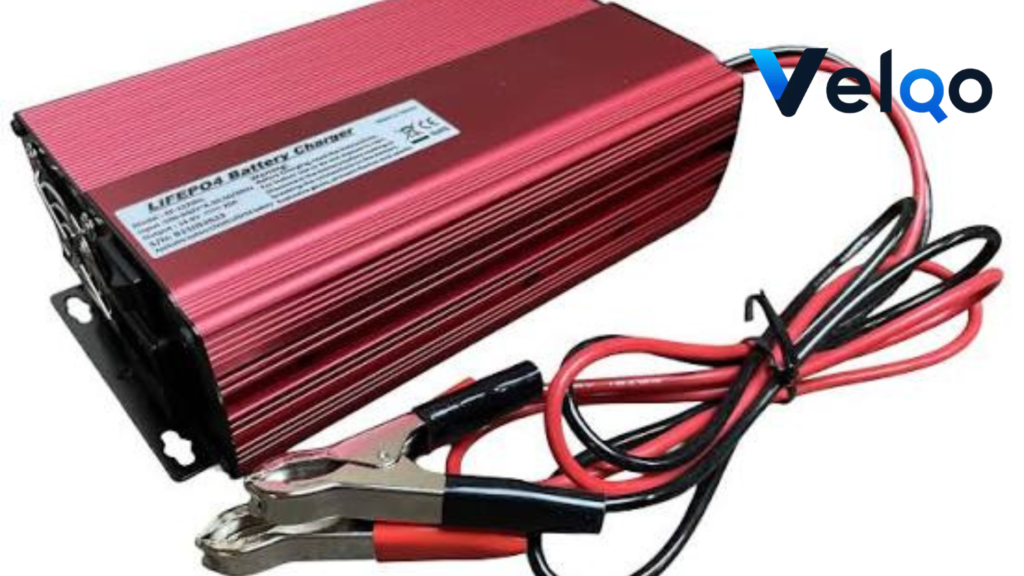
1. What Is a Battery Charger?
A battery charger is a device that transfers electrical energy into a rechargeable battery. It takes power from an electrical source and delivers it to the battery according to a specific charging method.
Not all rechargeable batteries are designed the same way. Lead-acid batteries, lithium-ion batteries, nickel-metal hydride batteries, and other battery chemistries can have different charging requirements.
For this reason, a charger should always be matched with the battery it is intended to charge. Checking the manufacturer’s specifications is one of the easiest ways to avoid compatibility problems.
2. How Does Battery Charging Work?
Although charging may seem as simple as plugging something in, the process involves controlled electrical energy.
When a compatible charger is connected, it supplies current to the battery. As the battery’s charge level increases, many modern charging systems adjust the amount of current being delivered.
Smart charging systems can monitor factors such as voltage, temperature, and charging progress. When the battery approaches its recommended charge level, the charger may reduce the charging current or switch to another charging stage.
This controlled approach helps provide more efficient charging and can reduce unnecessary stress on the battery.
3. Different Types of Battery Chargers
There isn’t one universal charger for every situation. Different products are designed for different batteries and applications.
3.1 Automotive Battery Chargers
Automotive chargers are designed for rechargeable vehicle batteries. They can be useful when a car, truck, motorcycle, or other vehicle has been sitting unused and the battery has lost its charge.
Some models are basic chargers, while others include automatic modes that monitor the charging process.
3.2 Portable Chargers and Power Banks
Portable charging devices are especially popular for phones, tablets, cameras, and other electronics.
A power bank stores electrical energy internally, allowing you to recharge compatible devices when you are away from a traditional power outlet. Capacity, output power, size, and the available charging ports are important factors when choosing one.
3.3 Battery Maintainers
A battery maintainer has a different purpose from a conventional charger. It is generally designed to help maintain an appropriate charge level when a compatible battery is not being used regularly.
For example, someone who stores a vehicle for an extended period may use an appropriate maintainer to help prevent the battery from becoming excessively discharged.
3.4 Solar Charging Systems
Solar charging systems use sunlight as an energy source. They can be useful for certain outdoor, recreational, backup, and off-grid applications.
Their performance depends on several factors, including sunlight, panel capacity, weather conditions, battery size, and the charging controller being used.
3.5 Rechargeable AA and AAA Chargers
Household rechargeable batteries are commonly used in remote controls, toys, cameras, flashlights, and other electronics.
Dedicated chargers for rechargeable AA or AAA batteries are designed around the chemistry and specifications of those cells. Always make sure the charger supports the particular rechargeable batteries you own.
4. Why Charger Compatibility Is Important
One of the biggest mistakes people can make is assuming that any charger will work with any rechargeable battery.
Voltage, battery chemistry, capacity, connector type, and charging requirements all need to be considered.
For example, a charger intended for a particular lithium-ion battery system should not automatically be used with a different battery chemistry simply because the connector appears to fit.
Using incompatible equipment can lead to poor performance and may create safety concerns. The safest approach is to follow the battery manufacturer’s charging instructions.
For consumer product safety information in the United States, the U.S. Consumer Product Safety Commission is a useful official resource.
5. Features Worth Considering
Once you know what type of charger you need, several features can help you compare different models.
Automatic Operation
Automatic charging can be convenient because the device may adjust its charging process based on the battery’s condition rather than simply supplying a constant current.
Multiple Charging Modes
Some chargers provide different settings for various battery types or charging situations. This can be useful for people who regularly work with more than one type of rechargeable battery.
Built-In Safety Features
Depending on the product, safety functions may include overcharge protection, temperature monitoring, short-circuit protection, and reverse-polarity detection.
These features can add another layer of protection, but they do not replace proper use and manufacturer instructions.
Easy-to-Read Indicators
LED lights or digital displays can make it easier to understand whether a battery is charging, nearly full, or fully charged.
6. How to Choose the Right Charger
Before buying, start with the battery rather than the charger.
Find the battery’s specifications and identify its chemistry, voltage, capacity, and recommended charging method. Then look for a charger that specifically supports those requirements.
Next, think about how you will use it.
If you mainly need to charge a vehicle battery at home, an automotive model may be appropriate. If you travel frequently, a compact portable option could be more convenient. For long-term vehicle storage, a compatible maintainer may make more sense.
Charging speed is another consideration. A faster charging product may save time, but the battery itself must support the charging rate.
7. Battery Charger Safety Tips
Safe charging starts with using compatible equipment.
Always inspect the charger, cable, connector, and battery before use. Do not use equipment that is damaged or shows signs of overheating.
Keep charging equipment away from water unless it is specifically designed for that environment. Follow the manufacturer’s recommendations regarding ventilation and operating temperatures.
It is also important to use the correct charging mode. Avoid experimenting with settings when you are unsure what a battery requires.
If a rechargeable battery becomes unusually hot, swollen, damaged, or behaves unexpectedly, stop using it and follow the manufacturer’s safety guidance.
The U.S. Department of Energy also provides educational information about batteries and energy technologies.
8. Battery Charger vs. Battery Maintainer
These two products are often confused, but their primary purposes can differ.
A charger is generally intended to restore energy to a battery that has been partially or significantly discharged. A maintainer is typically designed for keeping a compatible battery at an appropriate charge level during periods of limited use.
For occasional charging, a suitable charger may be enough. For equipment that sits unused for long periods, a compatible maintenance system may be more appropriate.
Always check the product specifications because features vary between models.
9. How Long Does Charging Take?
There is no single answer to how long a battery takes to charge.
Charging time depends on the battery’s capacity, its current charge level, the charger’s output, battery condition, temperature, and the charging technology being used.
A small household rechargeable cell may charge much faster than a large vehicle battery. Modern fast-charging systems can also change charging times considerably.
Rather than relying on a general estimate, follow the charging information provided by the battery or equipment manufacturer.
10. Common Mistakes to Avoid
A few simple mistakes can cause unnecessary problems.
One common mistake is buying a charger based only on price. A cheaper product is not necessarily suitable for your battery.
Another mistake is ignoring voltage and battery chemistry. A connector fitting physically does not mean the charging system is compatible.
Some users also forget to inspect cables and connectors for damage. Regularly checking charging equipment can help identify problems before use.
Finally, never assume that every rechargeable battery should be charged in exactly the same way. Different technologies have different requirements.
11. Final Thoughts
Choosing a battery charger becomes much easier once you understand what your battery actually requires. The best option isn’t necessarily the most expensive or the fastest model. It is the one that matches the battery’s specifications and suits the way you plan to use it.
From automotive charging equipment and maintainers to portable power banks and household rechargeable-cell chargers, today’s market offers solutions for many different needs.
Before purchasing, check compatibility, voltage, battery chemistry, charging requirements, safety features, and charging speed. Taking a few minutes to compare these details can help you make a smarter choice and use your rechargeable batteries more confidently.
Frequently Asked Questions
Can one charger work with different battery types?
Some chargers support multiple battery types, but many are designed for a specific chemistry or voltage. Always check the manufacturer’s compatibility information before connecting another battery.
Is a smart charger worth buying?
A smart charger can be convenient because it may automatically monitor charging conditions and adjust the charging process. Its usefulness depends on the type of battery and how frequently you charge it.
Can I leave a battery connected to a charger?
That depends on the specific charger and battery. Some systems are designed for maintenance charging, while others are not intended for extended connection. Follow the manufacturer’s instructions.
What should I check before buying a charger?
Check the battery chemistry, voltage, capacity, connector, and recommended charging method. Then make sure the charger explicitly supports those specifications.
Are portable chargers useful in the USA?
Yes. Portable charging devices can be convenient for travel, school, work, outdoor activities, and situations where a normal electrical outlet is unavailable.
