


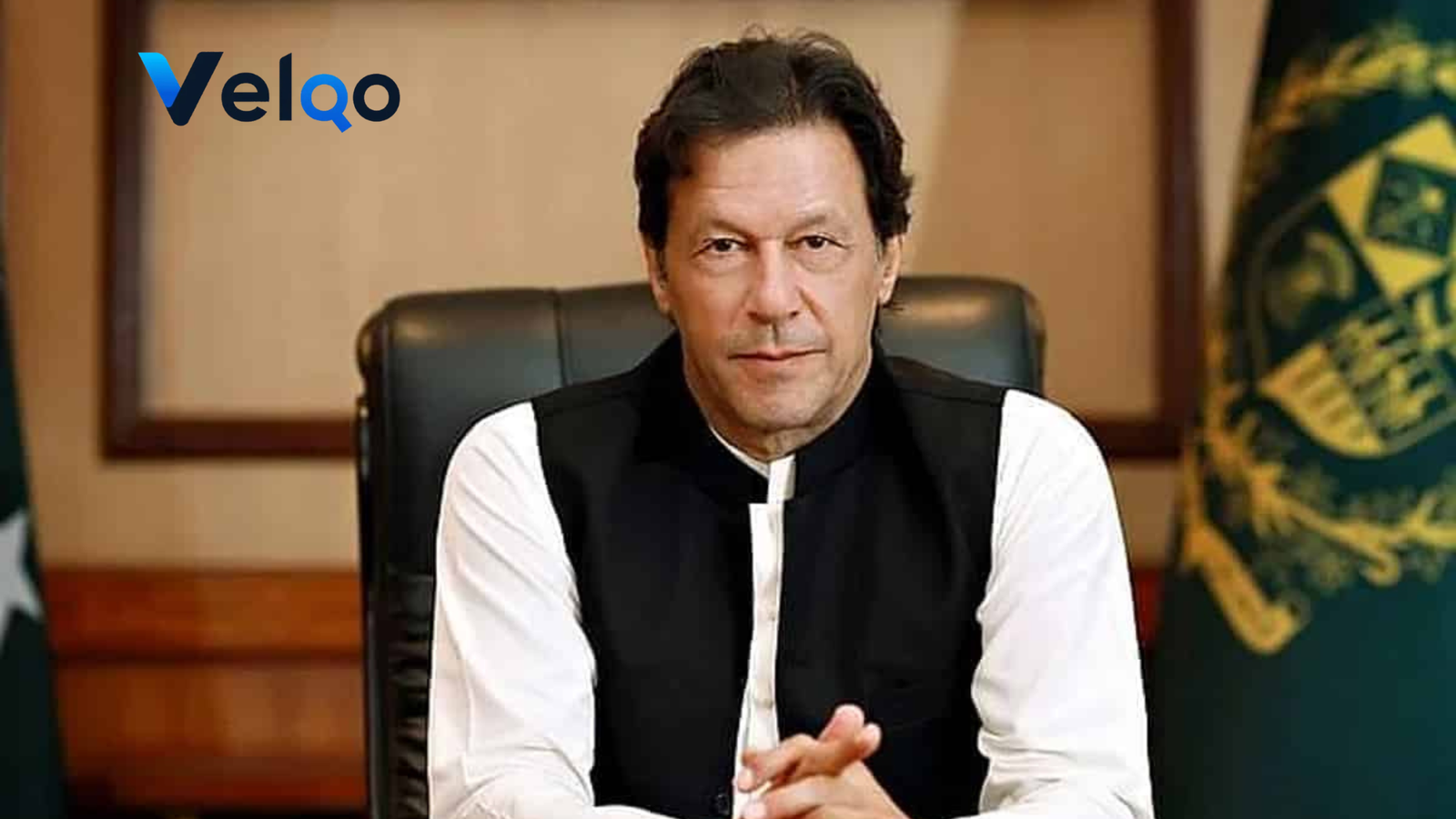
Imran Khan pakistan is one of the most recognizable public figures in Pakistan, known for his career in international cricket, philanthropic work, and long involvement in politics. His journey from a successful sportsman to a major political leader has attracted attention both inside and outside Pakistan.
For many people, Imran Khan pakistan represents an unusual combination of sports, charity, and politics. His career has included major achievements on the cricket field, the establishment of charitable institutions, and the creation of a political movement that eventually became a major force in Pakistani politics.
1. Who Is Imran Khan pakistan?
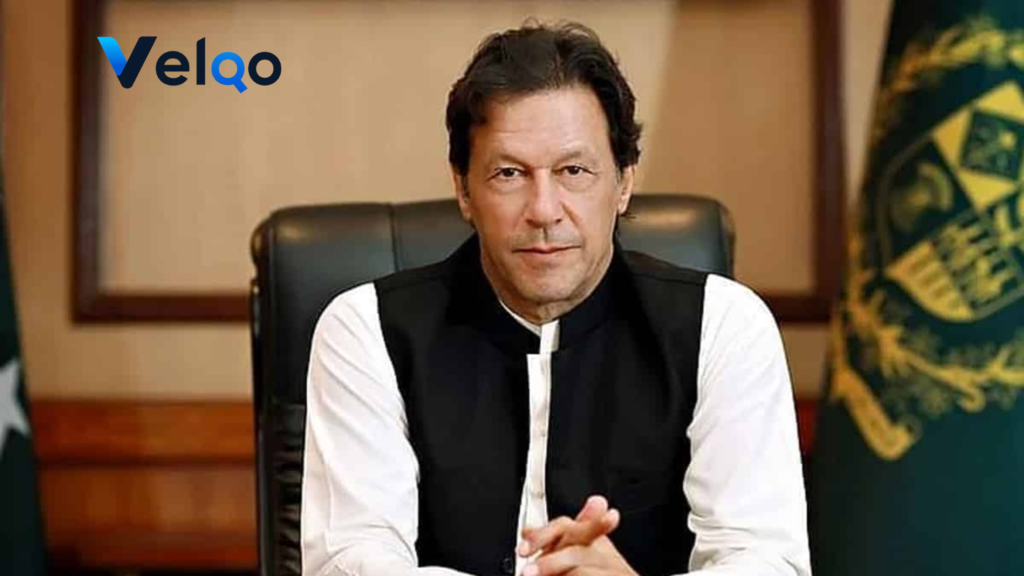
Imran Khan is a Pakistani former international cricketer and politician. He was born on October 5, 1952, in Lahore, Pakistan. He became internationally famous as a cricket player and later entered politics with the goal of changing the country’s political system.
His public career has therefore developed through several distinct stages: cricket, social welfare, political activism, and government leadership.
Today, discussions about Imran Khan Pakistan often cover his sporting achievements, political ideas, government policies, legal situation, and influence on Pakistani society.
2. Imran Khan’s pakistan Early Life
Imran Khan pakistan grew up in Lahore and received his early education in Pakistan before studying in the United Kingdom. He attended the University of Oxford, where he studied Philosophy, Politics and Economics.
His education and international experiences exposed him to different political and social environments. However, cricket became the most important part of his early professional life.
He began playing international cricket for Pakistan as a young man and gradually developed into one of the country’s most important all-rounders.
3. His Cricket Career
Imran Khan’s cricket career is one of the main reasons he became a national icon.
He made his Test debut for Pakistan in 1971 and played international cricket for more than two decades. As an all-rounder, he contributed with both batting and bowling and became particularly respected for his fast bowling.
During the 1980s, he was regarded as one of the world’s leading all-rounders. His leadership skills also became increasingly important as he took responsibility for the Pakistan team.
The biggest moment of his sporting career came in 1992.
4. The 1992 Cricket World Cup
Imran Khan captained Pakistan during the 1992 Cricket World Cup in Australia and New Zealand.
Pakistan’s tournament began unevenly, but the team improved as the competition progressed. Under Imran Khan’s leadership, Pakistan reached the final and defeated England at the Melbourne Cricket Ground.
The victory gave Pakistan its first Cricket World Cup title.
The 1992 triumph became a defining moment in Imran Khan’s public life. It strengthened his reputation as a leader and gave him an enduring place in Pakistani sporting history.
5. Philanthropic Work
After retiring from international cricket, Imran Khan became increasingly involved in charitable activities.
One of his best-known projects is Shaukat Khanum Memorial Cancer Hospital and Research Centre. The first hospital opened in Lahore in 1994 and was established in memory of his mother, who died from cancer.
The institution was created to provide cancer treatment, including support for patients who could not afford treatment themselves.
Imran Khan pakistan also became associated with the Namal educational project, which developed into Namal University in Mianwali.
These projects played an important role in shaping his public image before he entered national politics.
6. Entering Pakistani Politics
Imran Khan founded Pakistan Tehreek-e-Insaf (PTI) in 1996. The party initially struggled to gain major electoral influence.
For many years, PTI remained a relatively small political organization compared with Pakistan’s established parties. Imran Khan, however, continued campaigning around themes such as political reform, accountability, governance, and social welfare.
The party gradually gained support, particularly among younger voters and sections of the urban population.
Over time, PTI developed into one of Pakistan’s major political parties.
7. Imran Khan as Prime Minister
Imran Khan became Prime Minister of Pakistan in August 2018 after PTI emerged as the leading party following the 2018 general election.
His government faced significant economic and political challenges. These included inflation, pressure on foreign exchange reserves, debt-related concerns, and the broader difficulties of managing Pakistan’s economy.
His administration also promoted social welfare initiatives and introduced programs aimed at expanding assistance to lower-income families.
The government additionally emphasized environmental projects, including the Ten Billion Tree Tsunami initiative.
8. Major Policies and Initiatives
During his time in office, Imran Khan’s government highlighted several areas of public policy.
The Ehsaas Programme was introduced as a major social protection initiative designed to support vulnerable sections of society.
The government also promoted tourism and environmental conservation. Tree-planting and climate-related projects received considerable attention internationally.
Another important area was housing and construction. The government attempted to encourage housing development and economic activity through construction-related policies.
Supporters point to these initiatives as important parts of his government’s agenda, while critics have questioned their implementation and broader economic impact.
9. Removal From Office
Imran Khan’s time as prime minister ended in April 2022.
Pakistan’s National Assembly passed a vote of no confidence against his government, making him the first Pakistani prime minister to leave office through a successful no-confidence vote.
After leaving office, Imran Khan became even more politically active. He held large public gatherings and continued criticizing the political establishment and his opponents.
His supporters argued that his removal was politically motivated, while his opponents rejected that interpretation.
10. Legal and Political Challenges
Following his removal from office, Imran Khan faced several legal cases and court proceedings.
His legal situation has changed over time, with different cases producing different decisions and developments. Because these matters can change through court rulings and appeals, anyone researching his current legal status should consult reliable and up-to-date sources.
His political party has also faced significant challenges, particularly around elections, candidates, and political campaigning.
Despite these difficulties, Imran Khan has continued to maintain a substantial following among his supporters.
11. Why Imran Khan Remains Influential
Imran Khan’s influence comes from several parts of his career.
First, his success as Pakistan’s 1992 World Cup-winning captain created a powerful connection with sports fans. Second, his charitable work helped establish a reputation beyond cricket. Third, his political movement attracted a large number of supporters who wanted changes in Pakistan’s political system.
His communication style and use of social media have also helped him maintain a strong connection with supporters.
For this reason, the name Imran Khan Pakistan continues to generate considerable interest among readers searching for information about Pakistani politics, cricket, and public life.
12. Imran Khan’s Legacy
Imran Khan’s legacy is complex and continues to develop.
In cricket, he is remembered as Pakistan’s World Cup-winning captain and one of its greatest all-rounders. In philanthropy, he is associated with major healthcare and educational projects. In politics, he is recognized as the founder of PTI and a former prime minister.
Supporters credit him with challenging traditional political structures and bringing new voters into political discussions. Critics, meanwhile, have raised questions about his government’s economic management, political decisions, and style of leadership.
A balanced assessment therefore requires looking at both his achievements and the controversies surrounding his career.
13. Frequently Asked Questions
Who is Imran Khan?
Imran Khan is a Pakistani former international cricketer, philanthropist, and politician. He served as Pakistan’s prime minister from 2018 to 2022.
When did Imran Khan win the Cricket World Cup?
Imran Khan led Pakistan to its first Cricket World Cup victory in 1992.
What political party did Imran Khan establish?
He founded Pakistan Tehreek-e-Insaf (PTI) in 1996.
When did Imran Khan become Prime Minister?
He became Prime Minister of Pakistan in August 2018.
What is Imran Khan famous for?
He is best known for captaining Pakistan to the 1992 Cricket World Cup, his charitable projects, and his political career.
Conclusion
Imran Khan’s journey from an international cricket star to a political leader is one of the most notable stories in modern Pakistani public life. His 1992 World Cup victory established him as a national sporting hero, while his charitable projects expanded his public role beyond cricket.
His political career later transformed him into one of Pakistan’s most influential and debated leaders. As discussions about his achievements, policies, legal challenges, and political movement continue, his impact on Pakistani society remains significant.
For anyone researching Imran Khan Pakistan, understanding his complete journey—from cricket and philanthropy to politics and government—provides a much clearer picture of why he remains such a prominent figure.
