


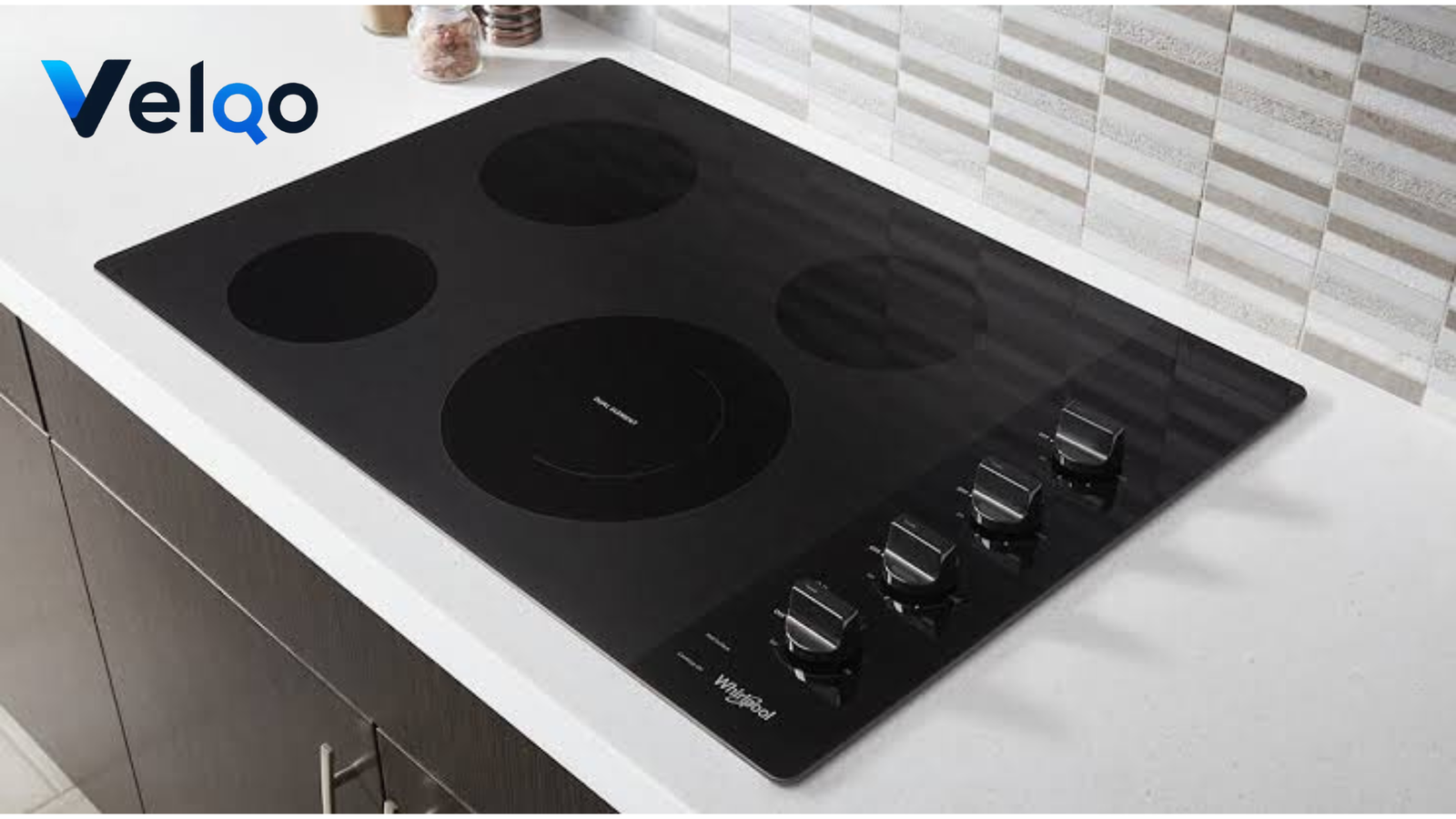
An electric stove is a common and practical cooking appliance used in homes, apartments, offices, and other kitchens. It uses electricity to generate heat for cooking instead of burning natural gas or propane. Electric stoves are available in different designs, sizes, and styles, making them suitable for a wide range of cooking needs.
From traditional coil models to modern smooth-top designs, each electric stove offers different features and benefits. Understanding these options can help you choose a stove that fits your kitchen, cooking habits, available space, and budget.
1. What Is an Electric Stove?
An E-Stove is a cooking appliance that uses electrical energy to produce heat. When a burner is turned on, electricity passes through a heating element, causing it to become hot. The heat is then transferred to cookware placed on the cooking surface.
Unlike a gas stove, an electric stove does not require an open gas flame. It can be used for many everyday cooking tasks, including boiling, frying, simmering, sautéing, and heating food.
Some electric stoves are designed only as cooktops, while others are part of an electric range that includes an oven.
2. How Does an E-Stove Work?
The basic operation of an electric stove is relatively simple. When you select a cooking setting, electrical current flows through a heating element. The element heats up and transfers thermal energy to the pot or pan.
The amount of heat can usually be adjusted using knobs, buttons, or digital touch controls. Different models may provide several heat levels for different cooking requirements.
The performance of an electric stove can depend on factors such as the heating element, cookware, power level, surface design, and overall appliance quality.
3. Common Types of E-Stove
There are several types of electric stoves available for modern kitchens.
Coil E-Stove
A coil electric stove uses visible metal heating elements. These coils become hot when electricity passes through them and transfer heat directly to cookware.
Coil models are straightforward to operate and can be a practical option for people who prefer traditional stove designs.
Smooth-Top E-Stove
A smooth-top E-Stove has a flat cooking surface, commonly made from glass or ceramic material. Heating elements are positioned underneath the surface.
These models can provide a sleek appearance and may be easier to wipe clean because there are fewer exposed components around the burners.
Electric Range
An electric range combines an electric cooktop and oven into one appliance. This design is useful for kitchens where one appliance is needed for both stovetop cooking and baking.
Electric ranges are available in different sizes and configurations to accommodate various kitchen layouts.
Portable Electric Stove
A portable electric stove is a compact cooking appliance that can be placed on a suitable countertop or other stable surface. It can be useful when additional cooking space is needed or when a full-size stove is not practical.
4. Benefits of Using an E-Stove
An E-Stove can provide several practical benefits for everyday cooking.
Easy Temperature Adjustment
Most E-Stove allow users to select different heat levels. This makes it possible to use lower temperatures for simmering and higher settings for tasks such as boiling water.
No Gas Flame
An E-Stove produces heat through electrical components rather than a gas flame. This can be convenient for households that prefer an electric cooking appliance.
Easy Surface Cleaning
Smooth-top electric stoves can be relatively simple to clean. After the surface has completely cooled, spills and food residue can generally be wiped away using a suitable cleaner and soft cloth.
Modern Designs
E-Stove come in a variety of modern designs. Smooth surfaces, digital controls, stainless-steel finishes, and other options allow homeowners to choose an appliance that matches their kitchen.
Versatile Cooking
An electric stove can be used for many cooking tasks. It can help prepare breakfast, lunch, dinner, sauces, vegetables, pasta, soups, and many other everyday meals.
5. How to Choose the Right Electric Stove
Choosing the right electric stove depends on your kitchen space, cooking habits, and personal preferences.
Start by measuring the available space where the stove will be installed. Check the width, depth, and height requirements provided by the manufacturer.
You should also consider how many burners you normally need. Someone who frequently cooks several dishes at once may prefer a model with multiple cooking zones.
Other factors to compare include the type of cooking surface, control system, oven capacity if included, cleaning requirements, warranty, and manufacturer’s specifications.
6. Important Features to Consider
Different electric stoves offer different features. Some of the most useful ones include:
Multiple cooking zones: These allow you to prepare several dishes at the same time.
Adjustable heat settings: Different heat levels provide better control for various cooking tasks.
Digital controls: Touch or digital controls can provide a modern way to operate the appliance.
Hot-surface indicator: This feature can warn users that a cooking surface is still hot after being switched off.
Timer: A built-in timer can help with cooking tasks that require a specific amount of time.
Smooth cooking surface: A flat surface can provide a modern appearance and make routine cleaning easier.
When comparing electric stoves, focus on features that match your cooking needs instead of paying extra for options you may never use.
7. Electric Stove vs. Gas Stove
An electric stove and a gas stove both provide heat for cooking, but they use different energy sources.
A gas stove uses natural gas or propane to produce a flame, while an electric stove uses electrical heating elements. The cooking experience can therefore feel different between the two appliances.
Electric stoves can be suitable for households that prefer electric appliances or do not have a convenient gas connection. Gas stoves may appeal to people who prefer cooking with a visible flame and direct heat control.
The U.S. Department of Energy provides information about cooking appliances and household energy use that can help consumers understand different options. U.S. Department of Energy – Energy Saver
The best choice depends on your kitchen setup, available energy source, cooking preferences, budget, and appliance requirements.
8. Electric Stove Maintenance Tips
Regular maintenance can help keep an electric stove clean and functioning properly. Always switch off the appliance and allow the cooking surface to cool before cleaning it.
For smooth-top models, use cleaning products recommended by the manufacturer. Avoid harsh materials or abrasive tools that could scratch the surface.
For coil models, keep the surrounding area and drip pans clean. Follow the manufacturer’s instructions when removing or cleaning any components.
If you notice unusual electrical behavior, damaged components, or other problems, stop using the appliance and seek assistance from a qualified professional.
9. Modern Electric Stove Technology
Modern electric stoves can include a variety of features designed to improve convenience. Some models offer digital displays, touch controls, cooking timers, automatic shutoff functions, hot-surface indicators, and other control options.
Certain appliances may also include smart features that allow users to interact with compatible kitchen systems or devices.
However, advanced technology is not necessary for every kitchen. A simple electric stove with reliable heating performance can be a good choice if you mainly want an appliance for everyday cooking.
Before purchasing a feature-rich model, consider whether those additional functions will actually be useful in your daily routine.
10. Where Can You Use an Electric Stove?
Electric stoves can be used in many residential kitchen environments. They are commonly found in houses, apartments, rental properties, and other spaces with suitable electrical connections.
A portable electric stove can also be useful for temporary cooking areas or situations where additional cooking space is required.
The right model depends on factors such as kitchen size, available electrical supply, cooking requirements, ventilation, and installation conditions.
Always check the manufacturer’s installation requirements and electrical specifications before installing an electric stove.
11. Final Thoughts
An electric stove is a practical and versatile appliance for preparing everyday meals. With options such as coil models, smooth-top designs, electric ranges, and portable units, there are choices available for different kitchens and cooking preferences.
Before purchasing, consider the size of your kitchen, number of cooking zones, heating controls, surface type, safety features, cleaning requirements, and overall appliance specifications. Comparing these factors can help you choose an electric stove that fits your needs without spending extra money on unnecessary features.
With proper use, regular cleaning, and appropriate maintenance, a quality electric stove can remain a useful part of a modern kitchen for many years.
