


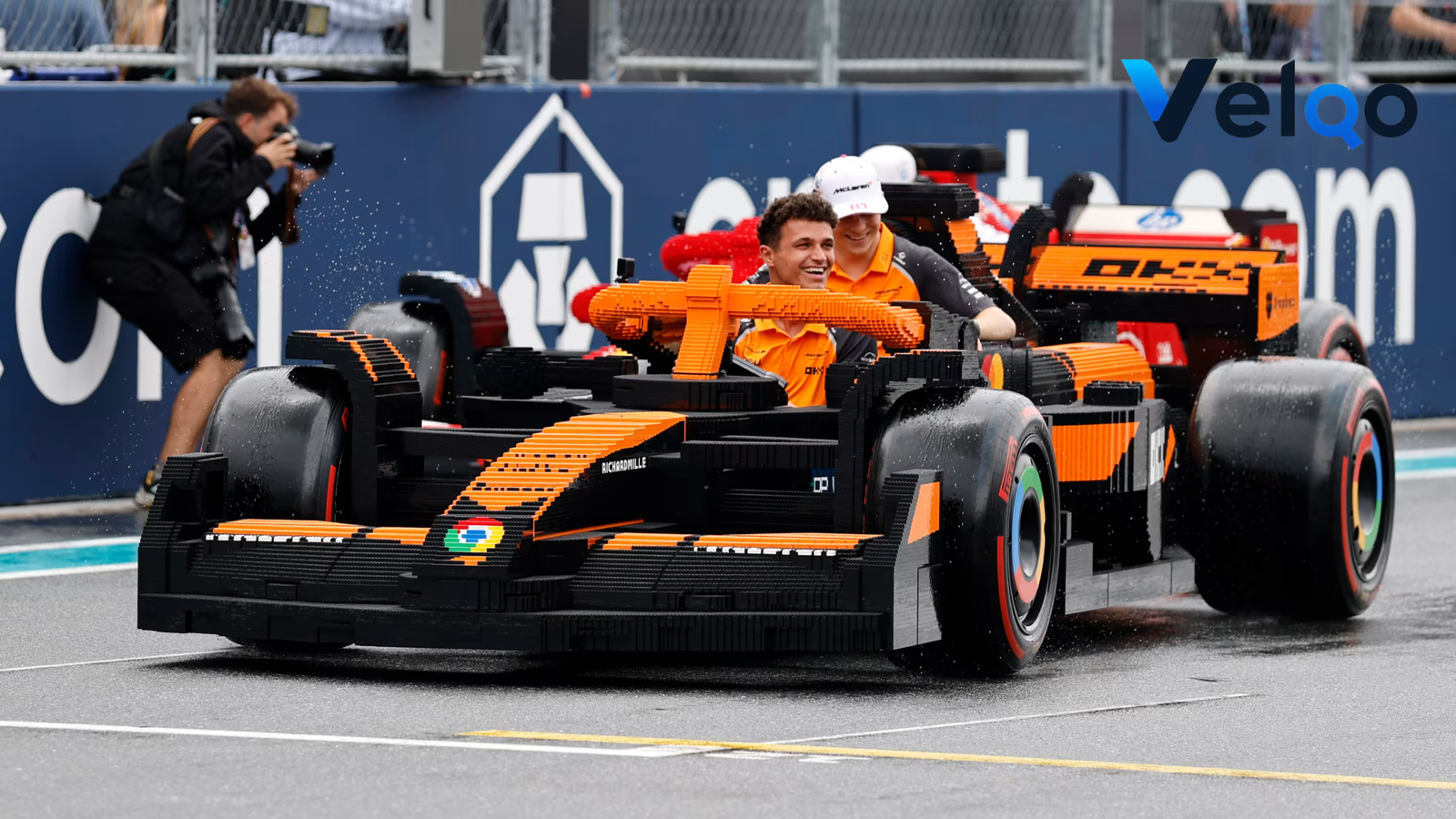
Lego race cars are a fun and creative way to combine the excitement of racing with the satisfaction of building something from scratch. Across the United States, Lego enthusiasts of different ages enjoy creating miniature race cars, customizing their designs, and building tracks for friendly competitions. Whether you are interested in realistic sports cars, futuristic racers, or completely original creations, Lego provides countless opportunities to turn your ideas into reality.
Unlike ordinary toy cars, Lego race cars allow builders to become designers. You can choose the shape, colors, wheels, and features of your vehicle and change the design whenever you want. This combination of construction and play makes Lego race cars an entertaining hobby for both beginners and experienced builders.
1. What Are Lego Race Cars?
Lego race cars are miniature racing vehicles constructed from Lego bricks and other compatible building pieces. Some models are based on real-world performance cars, while others are fictional vehicles designed specifically for Lego fans.
Builders can follow step-by-step instructions included with a set or create a custom race car using pieces they already have. A basic model may only require a simple chassis, four wheels, and a body, while advanced designs can include spoilers, detailed interiors, aerodynamic shapes, and racing decorations.
The flexibility of Lego is one of the main reasons these models remain popular. When you finish one car, you can take it apart and use the same pieces to build something completely different.
2. Why Are Lego Race Cars So Popular?
The popularity of Lego race cars comes from their ability to combine creativity, construction, and imaginative play. Instead of simply playing with a finished vehicle, builders get to participate in the entire process.
Lego race cars can also be a great family activity. Parents and children can work together to build models, create racing tracks, and organize friendly competitions at home.
Another reason for their popularity is customization. Two builders can start with similar pieces and create completely different vehicles. This gives everyone an opportunity to develop a personal building style.
For car enthusiasts, Lego race cars also offer a simple way to recreate the look of favorite performance vehicles in miniature form.
3. Different Types of Lego Race Cars
There are many styles of Lego race cars, and each type offers a different building experience.
3.1 Sports Cars
Sports-car-inspired Lego models usually feature sleek bodies, low profiles, large wheels, and aerodynamic details. Builders who enjoy automotive design may appreciate recreating the appearance of high-performance vehicles with Lego pieces.
These models can also be customized with different colors, racing stripes, spoilers, and other details.
3.2 Formula-Style Race Cars
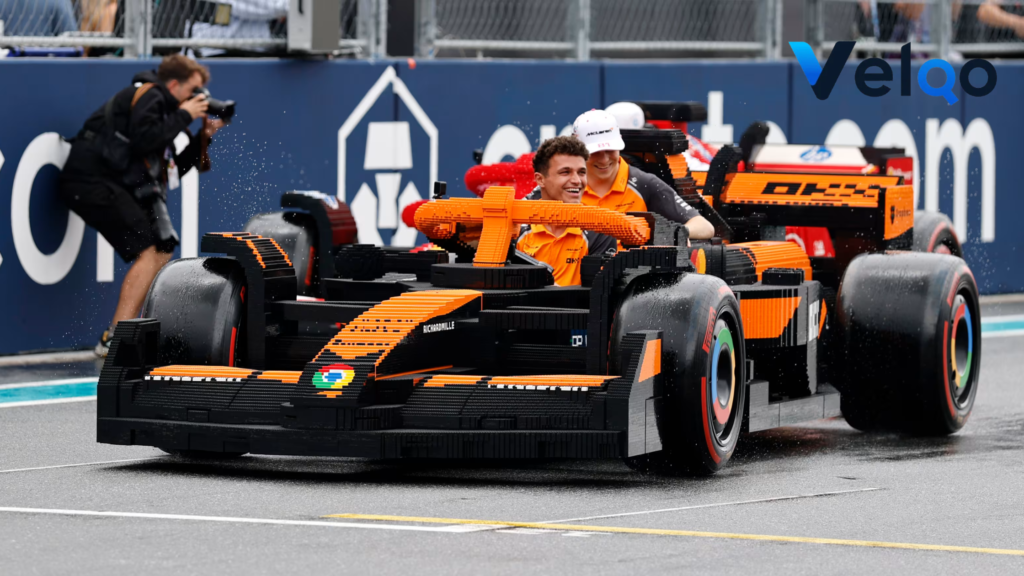
Formula-style Lego race cars are inspired by open-wheel racing vehicles. They commonly feature exposed wheels, a narrow body, a cockpit, and front and rear wings.
Building this type of model can be especially interesting for people who enjoy motorsports because the design introduces different elements compared with a standard road car.
3.3 Off-Road Racers
Off-road Lego race cars can be designed for imaginary dirt tracks and rough terrain. They often use larger wheels and a taller body design.
Builders can create their own off-road courses using household items, cardboard, or other Lego pieces. This makes the building experience more interactive.
3.4 Custom Lego Race Cars
Custom Lego race cars provide the most creative freedom. Instead of copying an existing design, you can invent your own racing vehicle.
You might build a futuristic electric racer, a classic-style sports car, or a completely fictional machine. Custom building is also a useful way to practice design skills because you have to decide how every part of the car should fit together.
4. How to Build a Lego Race Car
Building a Lego race car can start with a simple foundation. First, choose four wheels and create a strong base that can support the rest of the vehicle.
Next, build the main body around the base. Make sure the structure is secure and that the wheels can rotate freely. You can then add a driver’s seat or cockpit depending on the type of vehicle you are creating.
After the basic structure is finished, add visual details such as headlights, spoilers, mirrors, air intakes, and racing numbers.
The final step is testing. Place the car on a smooth surface and push it gently. If it does not roll properly, check the wheel alignment and make sure nothing is touching the ground.
5. Benefits of Building Lego Race Cars
Building Lego race cars is not only entertaining; it can also support several useful skills.
5.1 Creativity
Lego encourages builders to experiment with shapes, colors, and designs. Custom race cars provide an opportunity to turn an original idea into a physical model.
5.2 Problem-Solving
Not every design works perfectly on the first attempt. Builders may need to identify weak points, change pieces, or rebuild sections. This encourages practical problem-solving.
5.3 Engineering Concepts
Lego race cars can introduce basic concepts related to structure, balance, wheels, movement, and design. Builders can learn through experimentation by changing the size, weight, and shape of their models.
5.4 Family Fun
Building and racing Lego cars can become a shared activity. Families can design different vehicles, create a track, and hold friendly races without making the competition overly serious.
6. Creating a Lego Race Track at Home
A Lego race car becomes even more enjoyable when you have a track to race on. You do not need a professional racing setup. A simple track can be created on a table, floor, or large piece of cardboard.
Mark a starting line and finish line, then create turns and different sections of the track. You can use Lego bricks as barriers or create small obstacles for additional challenges.
For a fun competition, each car can complete several races. Instead of focusing only on speed, you can also give points for creativity, appearance, and unique design.
7. Lego Race Cars for Different Age Groups
Lego offers building experiences for different ages and skill levels. Younger builders may prefer simpler designs that are easier to assemble, while older children and experienced builders may enjoy more complicated models.
When choosing a Lego race car set, always check the recommended age range and building difficulty. Beginners can start with a simple vehicle and gradually move toward more advanced builds.
Experienced builders can also combine pieces from different sets to create larger and more detailed racing collections.
8. Tips for Making Better Lego Race Cars
Start with a strong base and make sure the wheels are properly aligned. A balanced vehicle will generally be easier to roll and more enjoyable to race.
Avoid making the car unnecessarily heavy unless the weight is part of your design. You can also experiment with different wheel sizes and body shapes to discover what looks and works best.
Another useful tip is to take inspiration from real cars without trying to copy every detail. Look at the shape of sports cars, racing vehicles, and concept cars, then create your own Lego interpretation.
Most importantly, experiment. If a design does not work, take it apart and try again. Rebuilding is one of the best parts of working with Lego.
9. Conclusion
Lego race cars offer an exciting combination of creativity, construction, and racing fun. From sports cars and Formula-style vehicles to off-road racers and completely custom designs, builders have countless ways to create miniature racing machines.
For families, young builders, and car enthusiasts in the United States, Lego race cars can provide an enjoyable hobby while encouraging creativity, patience, and problem-solving. You can follow official instructions, customize an existing model, or create an original vehicle entirely from your imagination.
Whether you are building your first Lego racer or designing an entire collection, the possibilities are almost unlimited. Gather your Lego pieces, create your dream race car, build a track, and start your own miniature racing adventure.
