

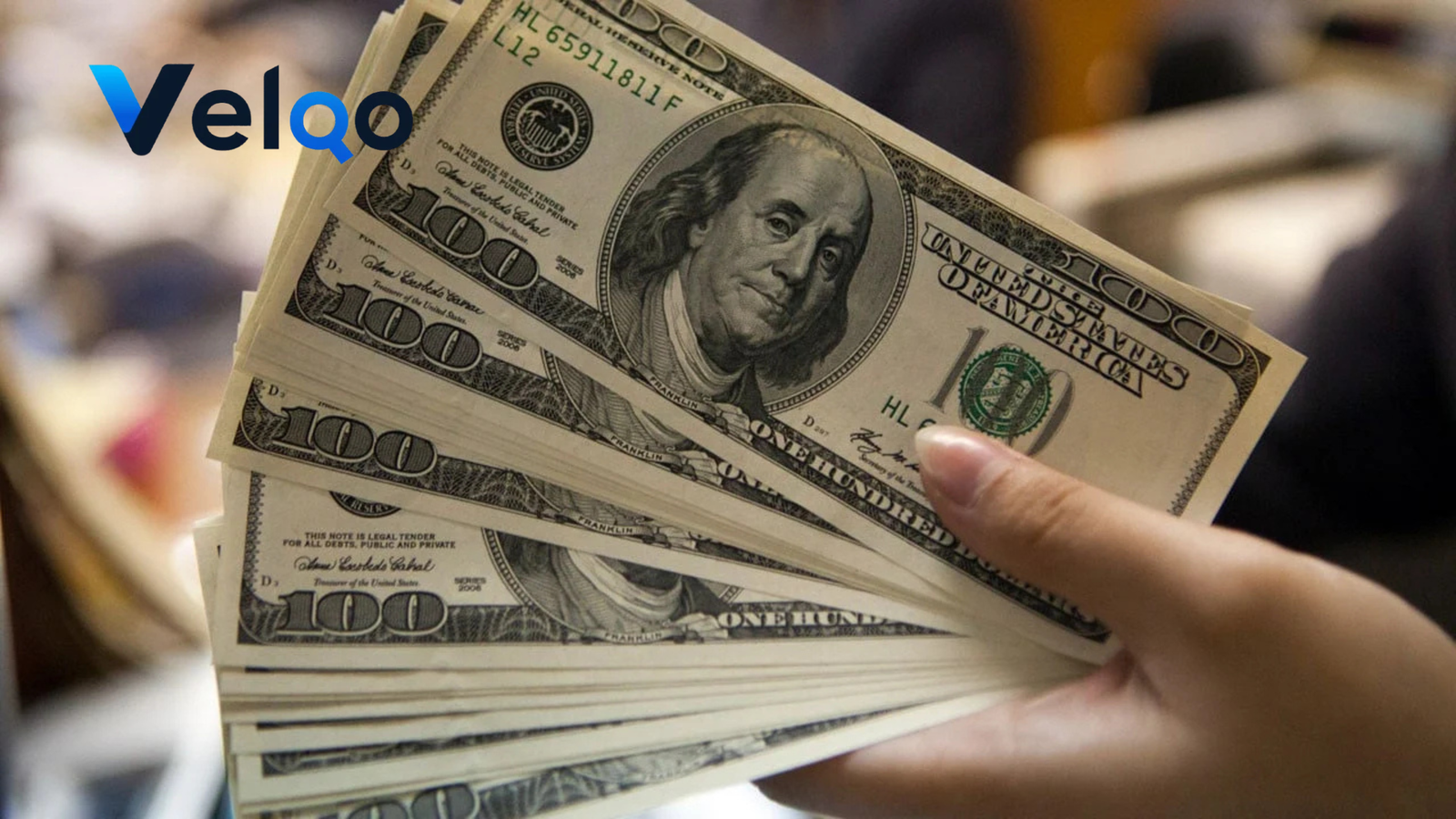
Finding a reliable currency exchange near me can be important when you are traveling, receiving foreign money, or preparing for an international trip. Whether you need U.S. dollars or want to exchange dollars for another currency, choosing the right service can help you avoid unnecessary fees and unfavorable exchange rates.
In the United States, currency exchange near me services are available at airports, banks, dedicated exchange offices, hotels, and some financial institutions. However, rates and fees can vary considerably from one provider to another. Knowing what to check before exchanging money can help you make a smarter decision.
1. What Is a Currency Exchange Service?
A currency exchange service allows people to convert one country’s currency into another. For example, a traveler arriving in the United States may exchange euros, pounds, Canadian dollars, or other foreign currencies for U.S. dollars.
The amount you receive depends on the current exchange rate, the provider’s margin, and any additional service charges. Because of these differences, the first exchange location you find may not always offer the best deal.
2. How to Find Currency Exchange Near Me
The easiest way to locate a nearby currency exchange is to search online using terms such as currency exchange near me, foreign currency exchange, or money exchange services.
Search results can show nearby businesses, banks, airports, and other financial service providers. Before visiting, check the location’s business hours and confirm that it handles the currency you need.
It is also useful to compare several nearby providers instead of choosing the first result. A small difference in the exchange rate can become significant when exchanging a larger amount of money.
3. Compare Exchange Rates Before You Visit
The exchange rate is one of the most important factors when exchanging money. Currency values change regularly because of market conditions, economic news, interest rates, and international events.
A provider may advertise an attractive exchange rate but apply additional fees to the transaction. Another provider may offer a slightly different rate with fewer charges.
For this reason, do not compare rates alone. Look at the total amount you will receive after all fees. This gives you a more realistic idea of which service provides better value.
4. Watch Out for Extra Fees
Currency exchange companies may charge different types of fees. Some providers use a fixed transaction fee, while others build their costs into the exchange rate.
For example, an exchange office might advertise that there is no separate commission but offer a less favorable rate. Another provider could have a visible service fee but provide a better rate.
Before completing a transaction, ask:
- What exchange rate will I receive?
- Is there a service fee?
- Are there minimum or maximum amounts?
- Will I receive the full amount shown after fees?
- Is identification required?
Getting clear answers can prevent unpleasant surprises.
5. Banks vs. Currency Exchange Offices
Banks are a popular option for exchanging foreign currency in the United States. Some banks provide currency exchange services to their customers, although availability can depend on the bank and branch.
Dedicated currency exchange offices may specialize in foreign currencies and can sometimes offer more convenient services for travelers. However, their rates and fees can vary.
The best choice depends on your location, the currency you need, the amount you want to exchange, and how quickly you need the money.
6. Should You Exchange Money at the Airport?
Airport currency exchange counters are convenient because travelers can access them immediately after arriving or before departing. However, convenience does not always mean the best value.
Airport locations have high operating costs and serve customers who may have limited alternatives. As a result, their exchange rates or fees may be less competitive than those available elsewhere.
If you need only a small amount of cash for transportation or an emergency, an airport exchange can be convenient. For larger transactions, comparing other options may be worthwhile.
7. What Identification May Be Required?
Currency exchange providers in the United States may require identification, particularly for certain transaction amounts or circumstances.
A valid government-issued identification document may be requested. Requirements can vary by provider and transaction, so it is a good idea to check before visiting.
If you are traveling internationally, keeping your identification and travel documents secure is also important.
8. How Much Cash Should You Exchange?
There is no universal amount that everyone should exchange. Your needs depend on your travel plans, destination, payment options, and personal circumstances.
Many travelers use cards or digital payment methods for everyday purchases and keep some cash available for situations where cards are not accepted.
Instead of exchanging a very large amount at once, consider your expected cash needs and compare the total cost of different payment methods.
9. Tips for Getting Better Value
If you are searching for a currency exchange near me, a few simple steps can make the process easier.
First, compare at least two or three providers whenever possible. Second, check both the exchange rate and the transaction fee. Third, confirm that the provider accepts the currency you have.
It is also smart to calculate approximately how much money you should receive before completing the transaction. Afterward, count the cash and review your receipt before leaving the counter.
These basic habits can help you recognize unexpected charges and avoid simple mistakes.
10. Online Currency Conversion Can Help
Before visiting a physical exchange location, an online currency converter can help you understand the approximate market value of your money.
For example, if you have euros and want U.S. dollars, checking the current EUR-to-USD rate gives you a reference point. The rate offered by a physical provider may be different because businesses need to cover operating costs and earn a margin.
An online rate should therefore be treated as a comparison reference rather than a guaranteed cash exchange rate.
11. Why Location Matters in the United States
Exchange options can differ significantly between cities and regions. Major tourist destinations and international airports generally have more currency exchange choices than smaller communities.
Large cities may have banks, dedicated exchange offices, and other financial services within a short distance. In smaller towns, you may need to contact a bank in advance to confirm that foreign currency services are available.
Searching for currency exchange near me with your specific city or ZIP code can make local results more useful.
12. Final Thoughts
Finding the right currency exchange near me in the United States does not have to be complicated. The key is to avoid choosing a provider based only on convenience. Compare exchange rates, ask about fees, check currency availability, and confirm the final amount you will receive.
Banks, exchange offices, airports, and other providers can all serve different needs. Taking a few minutes to compare your options can help you make a more informed decision and potentially save money.
Whether you are visiting the United States, returning from an international trip, or simply need to exchange foreign currency, researching your options before making a transaction is a simple way to get better value.
